 United States
US
United States
US







Beginner’s Guide To TEFL
everything you need to know
Join a global community of over 200,000 TEFL teachers working throughout the world!
Enrol me!Introduction to TEFL
If you’re a beginner in the world of Teaching English as a Foreign Language (TEFL) and want to know everything from what TEFL/TESOL is, to how to get certified, to living and teaching abroad, then this guide will round out your TEFL knowledge.
It’s a comprehensive resource that covers all the essentials, providing you with all the information you need to start your journey towards a fulfilling TEFL career.

Introduction to TEFL/TESOL

Becoming TEFL Certified

Teaching English Online

Teaching & Living Abroad
Chapter 01

Introduction to TEFL/TESOL
Both TEFL and TESOL relate to the idea of teaching English to non-native speakers as a second or foreign language. Although they differ in specific detail, by and large these terms are used interchangeably.
TEFL certification is the qualification you need to teach English as a second or foreign language. Regardless of which country you’d like to teach in, TEFL certification will either be required by law or preferred by employers in order to qualify for TEFL jobs.
Find out more about the basics of TEFL/TESOL in the following sections:
What Is TEFL & How To Get Certified?
What Is TESOL & How To Get Certified?
TESOL vs. TEFL: What’s The Difference?
TEFL Accreditation Explained & Why It’s Important
Chapter 02
Becoming TEFL Certified
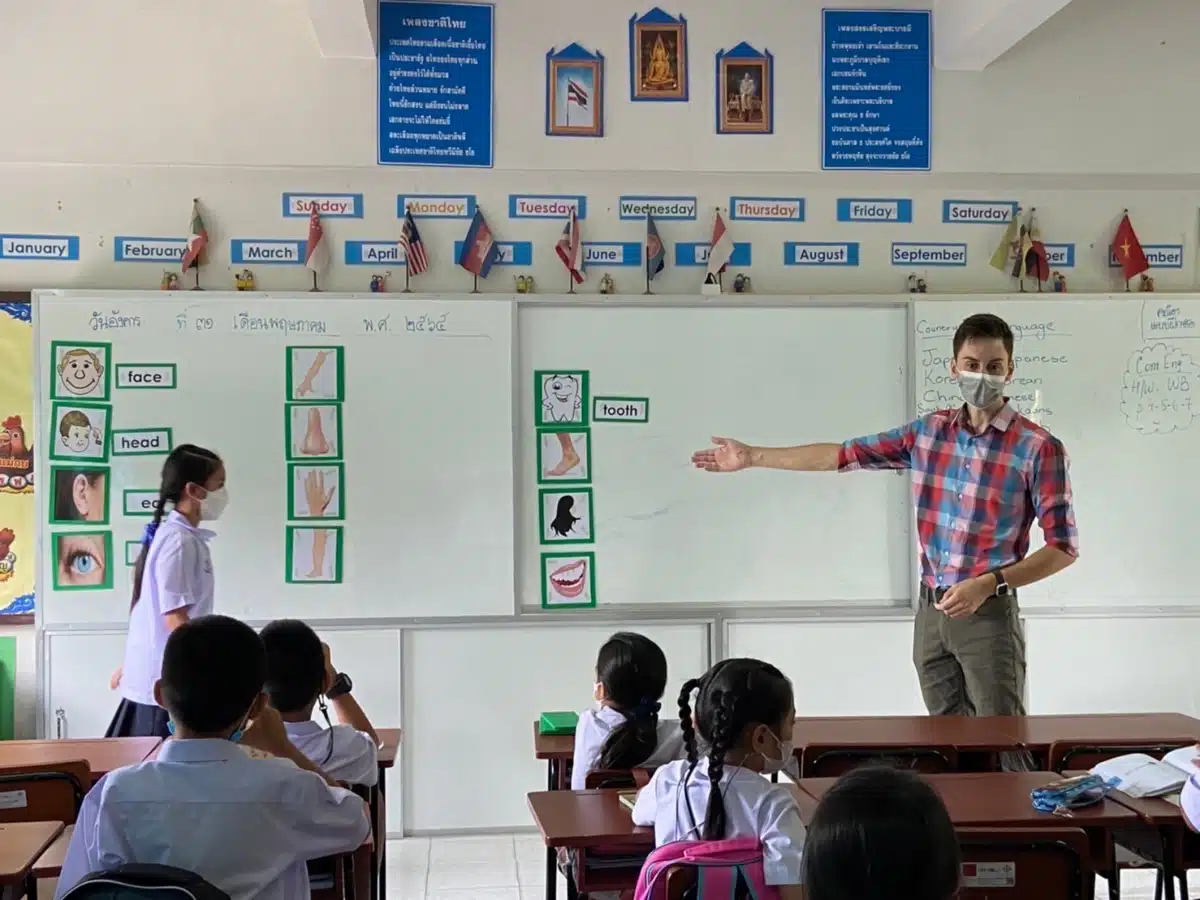
If you’re interested in teaching English as a foreign language, becoming TEFL certified is the 1st step towards realising that goal.
In this chapter, we’ll explore requirements for teaching English abroad, how to get TEFL certified, how to choose the right TEFL course, and different job opportunities for TEFL teachers.
Is TEFL Hard To Pass & Is it Worth It?
How Much Does TEFL/TESOL Certification Cost?
Chapter 03

Teaching English Online
Is teaching English online still a viable option to make extra income? How do I qualify and how much can I expect to make? Where can I find online teaching jobs?
In this chapter, we answer this and many other questions we get from prospective TEFL teachers. Here you’ll learn how to qualify for online teaching jobs and get your first gig.
Requirements For Teaching English Online
Teach English Online With No Degree
Teach English Online With No Experience
11 Best Places To Teach English Online With No Degree [2024]
Teach English Online To Korean Students
Teach English Online To Chinese Students
Teach English Online To Japanese Students
Teach English Online To Spanish Speakers
Online Teaching Jobs Salary: How Much Can You Really Earn?
5+ Organisations Where You Can Volunteer To Teach English Online
Chapter 04

Teaching & Living Abroad
Up to this point in the guide, you have gained an understanding of TEFL and how to become qualified, but there is still more to know. Preparing to live in a foreign country involves careful consideration of various factors such as potential earnings, startup costs, and cost of living in your destination country.
Teaching English Abroad Salaries: Which 10 Countries Pay The Most?
Do You Have To Pay Taxes While Teaching Abroad?
How To Teach English Abroad In Your Gap Year
Requirements To Teach English Abroad: 10 Questions Answered
Start-Up Costs For Prospective TEFL Teachers: How Much To Budget For
Start Your TEFL Journey Today!
Whether you’re just starting your research or you’re ready to enrol in one of our accredited courses, we have options to fit your needs. Enrol now, request a call back from one of our expert instructors, or download our free TEFL guide to learn more about the exciting opportunities that await you.
Enrol in a course
Ready to start your TEFL journey? Enrol in a course today and gain the skills and confidence to teach English as a foreign language.

Talk to a TEFL expert
Still unclear with some questions? Why not talk to a TEFL expert that can help answer all your questions? We’ll get back to you as soon as possible.

Give me more info
Alternatively, learn more about all things TEFL before making a decision. We’ve created a world TEFL factbook on every country! Download for free.